
I’m sitting in the library. Updating various scripts on my machine. I have a book, Mozart’s Women by Jane Glover. On page 34 the author describes,
“In Rome, Wolfgang famously heard Allegri’s Miserere in the Sistine Chapel, and wrote it down from memory later that day.”
I search for the piece. The lights go out. Your face appears before me. I want to cry. The strangest emotions.
Want, desire, absolution, forgiveness, joy, grief, sorrow.
I cannot understand what is happening. The darkest night of the soul, followed by dawn.
I know it’s happening for a reason. I struggle to know why and how.
I hold something in kind with the great freemason composer, WOLFGANG AMADEUS MOZART. The absolute love of women. Mozart always wrote to the strengths of his performers, especially his coveted prima donnas. Many of them brought to court at the age of twelve to ripen their God given talents, and flourishing in the theaters upon reaching 17, sometimes performing through multiple pregnancies and into their forties.
Mozart is telling me something. He garnered strength, power, and creativity from his women. He didn’t live very long (1756-1791; 35yo), but he gifted the world the greatest respect for Isis, Venus, the Holy Spirit. The trillion dollar smile of pure feminine glory.
It’s completely natural. The unlimited energy guarded like the arc of the covenant. Perhaps this relationship is the arc of the covenant? Wrapped in masonic symbols and allegory?
The artist will find inspiration- Be it righteous or wicked. Mozart found magic in his women.
Be not ignorant of the cunning guile of a beautiful coquette. There is power.
Mozart’s operas are filled with themes of honor, duty, fidelity, and trust– and always the shining example of pure love.
The trinity of masonic fame – 33.3 –
Father, Son, and Holy Spirit.
Wisdom, Strength, and Beauty.
The Holy Spirit is the shining light of pure feminine beauty. (please note: faggoty freemasons do not celebrate the feminine in their windowless lodges because they are vassals of the jews.) Mozart shunned this misogyny and openly celebrated his women. Maybe that’s why he died at 35?

Wolfgang’s number one woman was his sister, Nannerl – Maria Anna. Sister love. Sister sister.
The two of them toured Europe as children. She was an extremely gifted musician.
He wrote charming letters to her. Enclosing secret poems like the following:
“What you promised me (you know what, you dear one!) you will surely do and I shall certainly be grateful to you… I beg you to remember the other matter, if there is nothing else to be done. You know what I mean.”
I wonder what he means?
The great part about reading this book is listening to all of Mozart’s music in parallel. When Mozart was 16 he wrote Ascanio in Alba – fun, fun, and fun. I see him dancing with his sister, Nannerl.
“Wolfgang and Nannerl resumed their music-making, and he wrote the first of his piano duets, the sonata in D, K381 (123a), for them to play together. This most basic form of chamber music, for two players at one keyboard, their bodies touching, their hands intertwined, became for later composers a vehicle not just for shared expression and virtuosity, but also for flirtation and seduction.”
Wolfgang’s second woman was his cousin, Basel. Kissing cousins. Many times writing her using the gold in purse pun. “You are the purse, I am the gold. Gold goes inside the purse.”
Wolfgang’s third woman was Aloysia. The celebrated prima donna. Beautiful, talented Weber daughter. When Mozart returns to Mannheim, Aloysia shuns him, she’s cold and distant. Mozart is heart broken. Aloysia goes on to marry the leading actor at the Burgtheater, she’s a great star at court.
Mozart can’t have Aloysia. So he marries Constanze, her younger sister. Wolfgang goes on to write many arias for Aloysia, deep cuts with sister-in-law.
Constanze and Wolfgang have several children, many of them dying in infancy.
Wolfgang and Constanze struggle together with life, family, and money. Wolfgang takes several loans, they rent a massive Tartarian apartment in Vienna and throw lavish parties.
A freemason approaches Wolfgang to ghostwrite a requiem. He gladly accepts and begins to write. Constanze is worried. During their walks Wolfgang describes the requiem, he tells her about the mass, how he believes he’s writing his own funeral.
Just as he finishes the requiem he gives up the ghost. Whispering in the ear of Constanze’s sister the final lines of his requiem- how the tympani should sound– like the dying beats of a great artist.
The book begins with the gripping tale of Wolfgang’s life. Then describes in detail each one of his operas. I listened to each one. I imagine myself at court, in theater, with the Duke’s of Edom. Enjoying my blessing. Extremely beautiful courtesan at my side. Several handmaids and manservant’s at the ready. Amen.
Mozart’s Women by Jane Glover Book Review
My annotations and highlights:
Mozart’s Women by Jane Glover
Book last read: 2026-03-21 15:38:55
Percentage read: 100%
Chapter 0:
Annotation
Chapter progress: 12.62%
Highlight: Latona
fountain
Notes: Versaille statue
Chapter 0:
Highlight
Chapter progress: 13.11%
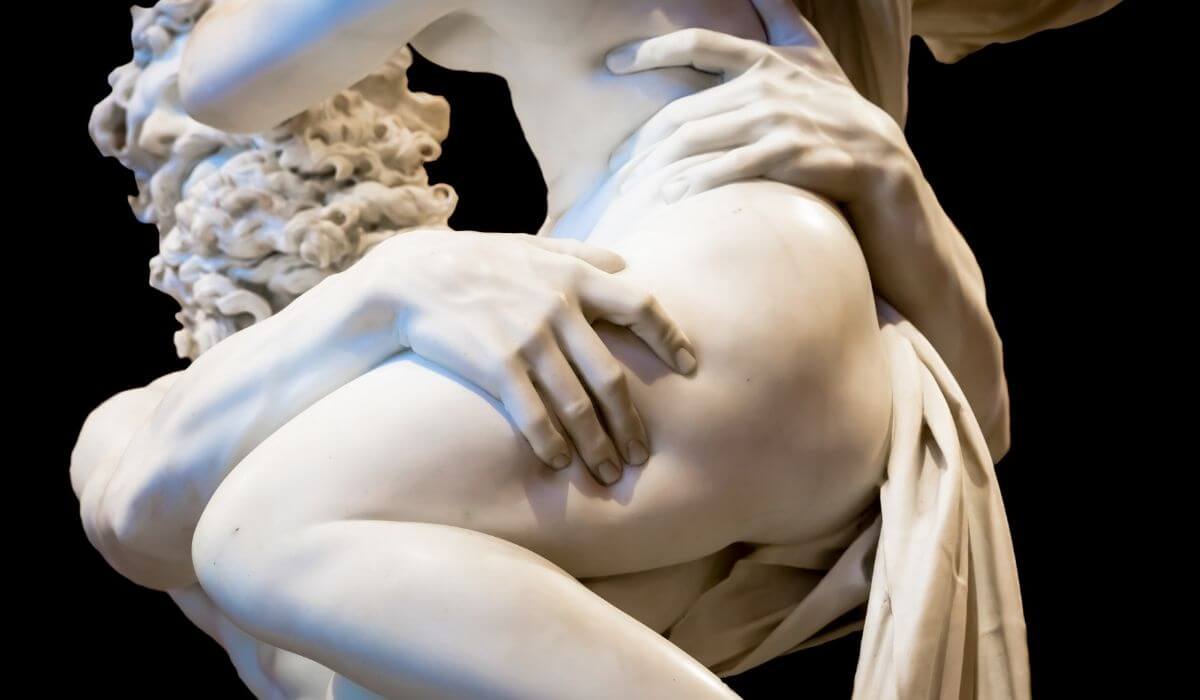
Highlight: the rape of brosperina
Chapter 0:
Highlight
Chapter progress: 24.27%
Highlight: controversial Dr Franz Anton Mesmer
Chapter 0:
Annotation
Chapter progress: 28.16%
Highlight: In Naples, ‘when the son was playing in the
Conservatorio alla Pietà, everyone thought that the magic was due to his ring, [so] he took the ring off and only then was everyone filled with astonishment
Notes: Magic ring.
Chapter 0:
Highlight
Chapter progress: 28.64%
Highlight: Wolfgang’s first Italian opera, Mitridate, re di Ponto
Chapter 0:
Highlight
Chapter progress: 31.07%
Highlight: Once more I advise you to read Keyssler’s Reisebeschriebung
Chapter 0:
Annotation
Chapter progress: 38.35%
Highlight: he wrote the first of his piano duets, the sonata
in D, K381 (123a), for them to play together. This most basic form of chamber music, for two players at one keyboard, their bodies touching, their hands intertwined, became for later composers a
vehicle not just for shared expression and virtuosity, but also for flirtation and seduction
Notes: Sister love
Chapter 0:
Highlight
Chapter progress: 47.57%
Highlight: La finta giardiniera
Chapter 0:
Annotation
Chapter progress: 48.06%
Highlight: But for all their tantalizing inarticulacy of emotion, her
diaries do shed fascinating light on middle-class life in mid-1770s Salzburg.
Notes: Nannerl
Chapter 0:
Highlight
Chapter progress: 50.97%
Highlight: Wolfgang wrote his first truly extraordinary piano concerto,
that in E flat, K271
Chapter 0:
Annotation
Chapter progress: 56.31%
Highlight: Keep well, my love. Shove your arse
into your mouth. I wish you goodnight, my dear, but first shit in your bed and break it.
Notes: Salutary letter by mum.
Chapter 0:
Highlight
Chapter progress: 57.77%
Highlight: Perhaps Nannerl, like many musicians, was only really happy when she was
immersed in her music.
Chapter 0:
Annotation
Chapter progress: 77.67%
Highlight: His head and heart may have been turned by Aloysia Weber, but his passionate friendship with
his cousin – a member of the family, but (unlike Nannerl) at a safe remove from Leopold – was still essential to his spiritual equilibrium.
Notes: Sister, cousin, gypsy primma donna.
Chapter 0:
Annotation
Chapter progress: 79.13%
Highlight: But he also reported at length on Salzburg activities, on much music-making for both himself and his daughter (‘Nannerl accompanies . . . like a first-rate
Kapellmeister’156), on their
Notes: Father and daughter musical relationship.
Chapter 0:
Annotation
Chapter progress: 87.86%
Highlight: he inevitably received streams of
advice and instruction from his father (‘Take care of yourself! Do not strike up a friendship with anyone on the journey! Trust no one! Keep your medicines in your night-bag, in case you
should need them. Look after your baggage when you get in and out of the coach’,172
Notes: Father to son. Good advice.
Chapter 0:
Highlight
Chapter progress: 92.23%
Highlight: Idomeneo
Chapter 0:
Annotation
Chapter progress: 0.53%
Highlight: They were young: Josefa was eighteen, Aloysia seventeen, Constanze fifteen and Sophie fourteen; they were
lively, good-looking and warm-hearted. They were also extremely talented
Notes: Mozart’s women.
Chapter 0:
Highlight
Chapter progress: 1.05%
Highlight: Carl Maria von Weber, who was to become one of the most
progressive composers of the early nineteenth century
Chapter 0:
Highlight
Chapter progress: 4.21%
Highlight: The choice of text cannot be insignificant (‘Non sò d’onde viene / Quel tenero affetto’ – I have never
before felt such tender affection). And there is something incredibly intimate about Wolfgang’s tender and sensuous setting of these beguiling words
Chapter 0:
Annotation
Chapter progress: 6.32%
Highlight: Aloysia was constantly on his mind.
Even the relentless chain of failure, tragedy and bereavement could not divert him completely from his longing for her
Notes: Third Mozart woman. Charming. Virtuoso primma donna soprano. She was always cool and standoffish.
Chapter 0:
Annotation
Chapter progress: 7.37%
Highlight: ‘I kiss your hands, I embrace you with all my heart, and am, and ever shall be, your true and sincere friend, WA MOZART.’
Notes: Excellent sign off
Chapter 0:
Annotation
Chapter progress: 10.53%
Highlight: mellifluous
Notes: Musical and pleasant to hear. ex voice
Chapter 0:
Annotation
Chapter progress: 18.42%
Highlight: How eagerly, how ardently my
lovesick heart is beating
Notes: Excellent love note.
Chapter 0:
Annotation
Chapter progress: 20.0%
Highlight: ribaldry
Notes: Amusingly course or irreverent talk or behavior.
Chapter 0:
Annotation
Chapter progress: 21.05%
Highlight: He concluded
therefore that he would ‘manage better with a wife’, with a ‘well-ordered existence’; and for good measure he added his touching observation, ‘A bachelor . . . is only
half alive.’
Notes: Half alive.
Chapter 0:
Annotation
Chapter progress: 26.32%
Highlight: In
April 1782 there had been a lively party at her house, at which several of the ladies present, including both Constanze and the Baroness herself, had allowed a young man to take a ribbon and
measure the calves of their legs. When Constanze returned home, she regaled her sisters and Wolfgang with a gleeful account of the party. Wolfgang was appalled, and said so. There was a major row:
she told him she was doing no more than everyone else was doing, and announced (not for the first time) that she would have nothing more to do with him
Notes: Jealousy.
Chapter 0:
Highlight
Chapter progress: 37.89%
Highlight: In different ways, both these arias, ‘Vorrei spiegarvi, oh Dio!’, K418, and ‘No, che non sei capace’, K419, again confirmed the astonishing musical
partnership of Wolfgang and Aloysia
Chapter 0:
Annotation
Chapter progress: 50.0%
Highlight: good relations with her servants had never actually been her strong point
Notes: Hehe. Wolfgangs sister. Nannerl.
Chapter 0:
Annotation
Chapter progress: 56.32%
Highlight: While Leopold was in Vienna he became a Freemason,
at the same Lodge that Wolfgang himself had recently joined (Zur Wohltätigkeit [Beneficence]). In this ideal society, unsullied of course by the presence of women, they could together
enjoy friendship, social contact (useful for advancement), good food, recreation and the sort of ritual procedures that they both respected and valued. Wolfgang composed his cantata Die
Maurerfreude, K471, for their Lodge, and it was performed there on the night before Leopold left the city.
Notes: All seeing eye pyramid power of horus the phalic symbol snake on staff.
Chapter 0:
Highlight
Chapter progress: 64.74%
Highlight: WOLFGANG’S GROUNDBREAKING MASTERPIECE, Le nozze di Figaro, the first of his spectacular collaborations with Lorenzo
Da Ponte, had been premiered in the Burgtheater in May 1786 to huge public acclaim
Chapter 0:
Highlight
Chapter progress: 73.68%
Highlight: And it was here, in those summer months, that Wolfgang composed his monumental last three symphonies (no. 39 in E flat, K543, no. 40 in G
minor, K550, and no. 41 in C, K551
Chapter 0:
Highlight
Chapter progress: 74.21%
Highlight: the ‘Jupiter’ symphony.
Chapter 0:
Highlight
Chapter progress: 9.33%
Highlight: THE TURNING POINT in Mozart’s vocal writing was his initial and passionate encounter with Aloysia Weber in 1778; and in a not unrelated context,
the opera that similarly took him to new heights of maturity, in all ways, was Idomeneo in 1781. He was then twenty-five years old
Chapter 0:
Annotation
Chapter progress: 16.67%
Highlight: castrato
Notes: Omg
Chapter 0:
Annotation
Chapter progress: 35.33%
Highlight: they had no performers or performance in mind – a totally rare occurrence for Mozart
Notes: Wolfgang mostly wrote for his most favored performers highlighting their unique talents.
Chapter 0:
Annotation
Chapter progress: 35.33%
Highlight: For all her cruel rejection of him, his ears were still ringing with the
voice of Aloysia Weber.
Notes: He couldn’t have Aloysia so he married her younger sister.
Chapter 0:
Annotation
Chapter progress: 57.33%
Highlight: For he was young, energetic, very noticeable, and above all extremely able; and there were
abundant opportunities to be seized.
Notes: Attaboy Wolfgang.
Chapter 0:
Annotation
Chapter progress: 58.67%
Highlight: magnanimous
Notes: Generous or forgiving. Especially towards a less powerful person.
Chapter 0:
Annotation
Chapter progress: 72.67%
Highlight: (‘Was ist der
Tod? Ein Übergang zur Ruh!’ – What is death? A passage to peace!)
Notes: Indeed!
Chapter 0:
Highlight
Chapter progress: 74.67%
Highlight: Michael Kelly. According to Kelly, whose hilariously engaging Reminiscences provide rich anecdotal information about their activities
Chapter 0:
Highlight
Chapter progress: 5.48%
Highlight: but they had also been
shocked, in the same way perhaps as future audiences would be at the first performances of Stravinsky’s Sacre du Printemps, or John Osborne’s Look Back in Anger
Chapter 0:
Annotation
Chapter progress: 8.9%
Highlight: A major (Mozart’s key of seduction
Notes: Try writing song in A major.
Chapter 0:
Annotation
Chapter progress: 57.53%
Highlight: love is a serpent who can bring you sweetness and content, but who can also make you miserable if you try to deny him.
Notes: Love is…
Chapter 0:
Highlight
Chapter progress: 58.9%
Highlight: all
women are the same. They do: ‘Così fan tutte’.
Chapter 0:
Annotation
Chapter progress: 63.01%
Highlight: Answering her own question as to what love is (‘Amor cos’è?’), she gives her definition:
‘Piacer, comodo, gusto, gioia, divertimento, passatempo, allegria’ (Pleasure, convenience, taste, enjoyment, amusement, pastime and fun);
Notes: What love is
Chapter 0:
Annotation
Chapter progress: 71.92%
Highlight: But its
most crucial and defining ingredient was the fact that both he and Mozart were Freemasons
Notes: Trombone sounder.
Chapter 0:
Annotation
Chapter progress: 85.62%
Highlight: Much has been made of the Masonic symbolism in Die Zauberflöte, and especially of the mystic significance of the number 3 that has such importance in Freemasonry. Certainly there are
three ladies, three boys, three temples; Tamino is advised to practise the three virtues of steadfastness, tolerance and discretion (‘Sei standhaft, duldsam und verschwiegen!’);
Sarastro reassures his priests that Tamino is virtuous, discreet and beneficent, the three qualifications for initiation into their order; there is the celebrated threefold chord from the beginning
of the overture, which itself appears three times in the opera; and at the heart of it all there are three flats in the key signature of E flat
Notes: 33.3
Chapter 0:
Highlight
Chapter progress: 99.32%
Highlight: three central words of Masonic ritual – strength, beauty and wisdom – as the opera reaches its magnificent
conclusion
Chapter 0:
Annotation
Chapter progress: 100.0%
Highlight: it is she who leads her own ‘Mann’ through the trials which bring him his wisdom, his maturity and therefore his security. This seems to have struck a
real chord in Mozart. He was, to be sure, entirely at home in Sarastro’s (Masonic) world, which he respected, honoured and defended. But for him the presence too of a woman as companion and
guide was absolutely essential
Notes: Man and woman.
Chapter 0:
Annotation
Chapter progress: 53.42%
Highlight: At last, and for the remaining years of their lives, Constanze and Nannerl were united, not divided, by the man they had both loved.
Notes: sister and wife of Wolfgang. Dead at
Chapter 0:
Annotation
Chapter progress: 82.19%
Highlight: Like so many of her generation and kind, Aloysia had
once received tumultuous applause in the great opera houses and concert halls of Europe, and now faced only bleakness and hardship.
Notes: The star of fading light.
Chapter 0:
Annotation
Chapter progress: 93.84%
Highlight: The woman who had brought the greatest human joy to Mozart had
outlived him by more than half a century.
Notes: Constanze
Chapter 9: Postlude
Annotation
Chapter progress: 50.0%
Highlight: to talk well and eloquently was a very great art, but that an equally great one was to know the right moment to stop
Notes: Hold your toungue
Leave a Reply